Introduction
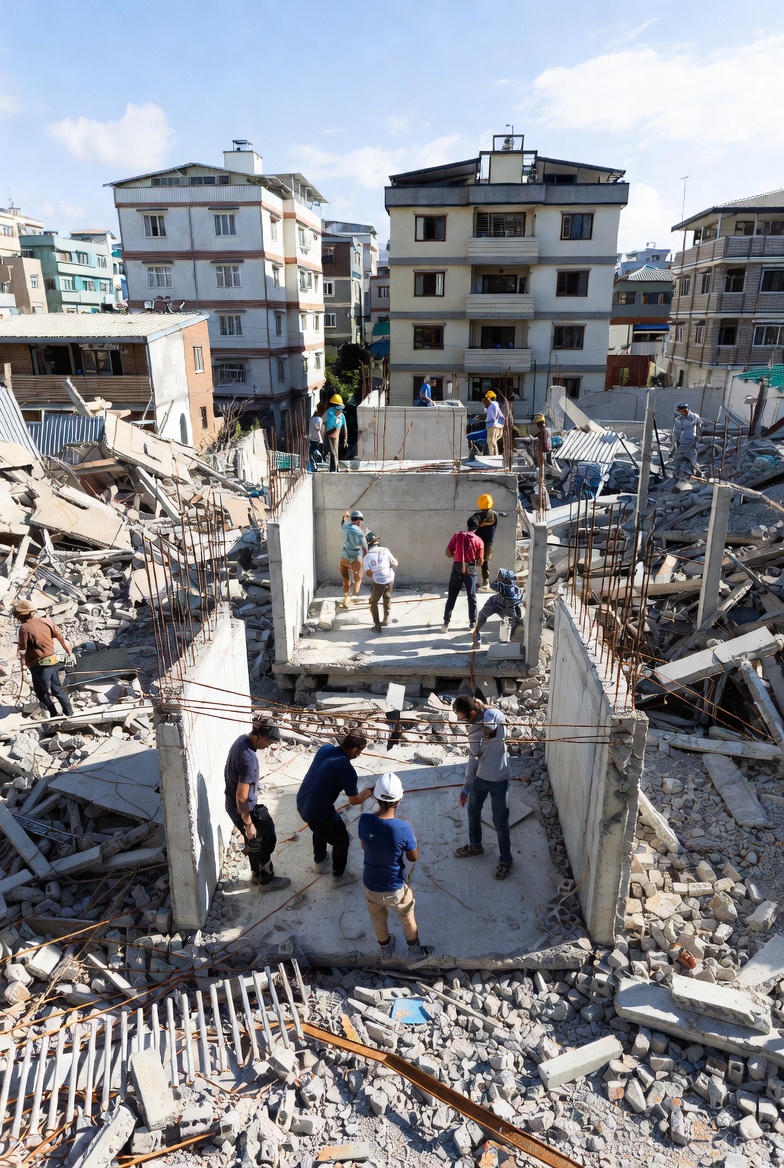
Location: Post-earthquake residential area
After a powerful earthquake, entire streets were reduced to broken concrete, bricks, and twisted metal. For most people, this debris was just waste waiting to be cleared. But for a small group of volunteers, it became a resource.
Main Discussion
Using basic scans and material checks, they identified concrete slabs strong enough to act as foundations and metal rods that could be safely reused. Instead of waiting weeks for new materials, temporary shelters were assembled within days using what already existed on the ground.With the right analysis, debris can become the first step toward recovery.

Key Takeaways
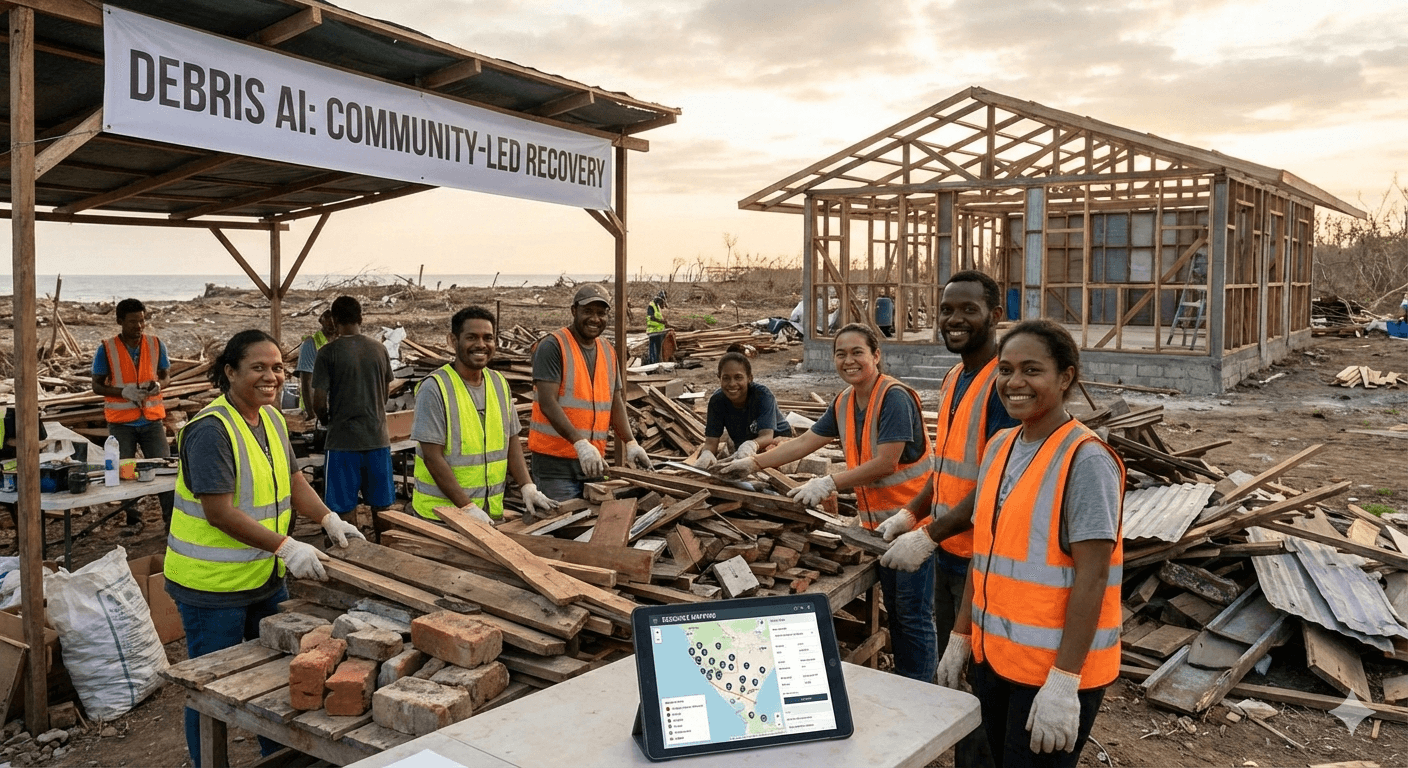
This paradigm shift not only accelerates the recovery timeline but also fosters a more sustainable and resilient approach to disaster management. By minimizing the need for new raw materials and reducing waste, Debris AI's methodology lessens the environmental impact of reconstruction, while simultaneously empowering communities to take an active role in their own rebuilding efforts. The project’s success lies in its ability to see beyond the initial devastation, finding opportunity and hope amidst the remnants of what once was. generate an iamge on thisaesthetic realistic very realtisitc